
Luxury Property Management for Modern Residential Living
Premium amenities have become a defining feature of modern residential developments. Private gyms and co-working lounges, landscaped gardens, screening rooms and roof terraces can improve residents' daily lives and help developments stand out in an increasingly competitive market.
However, the value of these amenities extends beyond their design and specification. Their long-term success relies on consistent management and maintenance. Without the right operational structure behind them, even the most impressive facilities can quickly become a source of frustration for residents and additional costs for property owners. This is where effective luxury property management plays a vital role in protecting both resident experience and long-term asset value.
In this context, ‘luxury’ typically means developments with higher-spec shared amenities and elevated service expectations.
How Amenities Shape Resident Experience
When prospective buyers or residents visit a development, amenities often make a strong first impression. A state-of-the-art gym, beautifully maintained gardens or a stylish resident lounge can help create a sense of quality and community.
Yet what residents remember most is not the initial appearance of these spaces but how they perform day after day. Here are some common questions property management companies may receive from residents:
Is the gym equipment clean and safe?
Are communal areas consistently clear?
Are issues dealt with promptly and communicated clearly?
Are facilities safe, secure and easy to access?
The answers to these questions directly influence resident satisfaction and help determine whether shared facilities continue to enhance a development long after occupation. Consistent maintenance and communication help ensure these spaces remain well-used, well-presented and aligned with the quality residents expect. Clear building rules and considerate use by residents also help keep shared spaces safe, welcoming and enjoyable for everyone.
As facilities become more sophisticated, so too do the operational demands behind them. Maintaining high standards requires more than routine upkeep. It calls for structured luxury residential property management, combining day-to-day oversight, long-term planning and clear resident communication. The sections that follow explore the specialist work involved in supporting these environments and protecting their long-term value.
The Hidden Work Behind Luxury Amenities
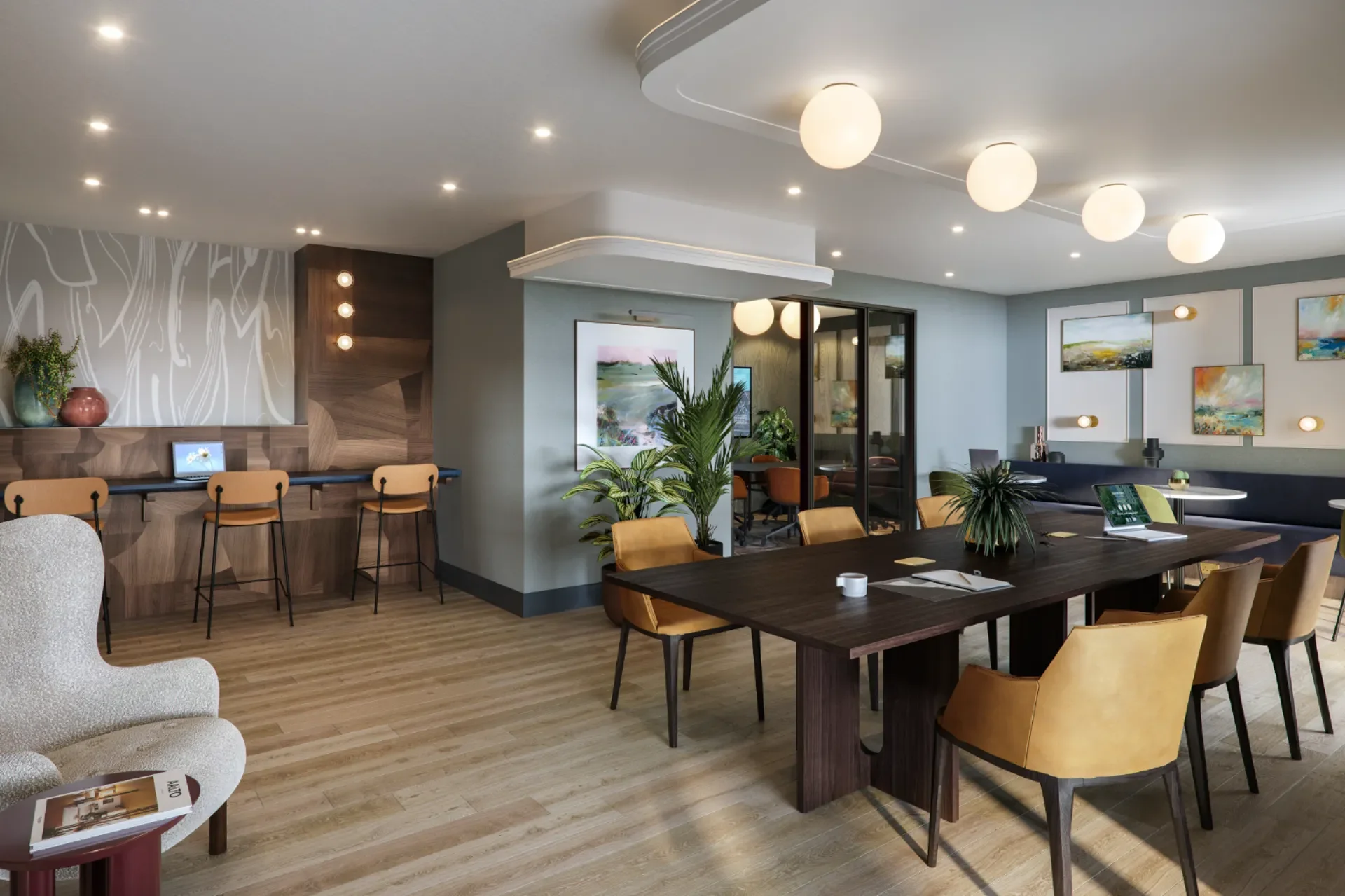
Many residents only see the finished result: clean, functional and well-presented facilities that are ready to use whenever they need them. Behind the scenes, however, a considerable amount of planning and specialist expertise is required to achieve this standard consistently.
Managing residential amenities can involve:
Planned preventative maintenance (PPM)
Health and safety inspections
Compliance management
Cleaning and presentation standards
Contractor oversight
Security and access control
Budget management
Resident communications
Lifecycle planning and asset replacement forecasting
Managing these spaces also means keeping records and processes audit-ready, particularly where health and safety and fire safety responsibilities apply.
Each of these responsibilities contributes to the overall resident experience. A resident gym, for example, requires much more than occasional cleaning. Equipment must be inspected and serviced regularly, faults addressed quickly, access systems maintained and health and safety requirements met. Likewise, landscaped gardens require ongoing maintenance throughout the year to ensure they remain attractive, safe and enjoyable for residents. In addition, different seasons demand different levels of maintenance.
In premium developments, responsibilities often extend beyond standard maintenance to include the operation and presentation of resident lounges, business suites, co-working spaces and wellness facilities. As developments grow in scale and the range of amenities expands, the demands can become increasingly complex.
Maintaining the Standards Residents Expect
Premium amenities often come with higher expectations. Residents expect shared facilities to be available when they need them, maintained to a high standard and reflective of the quality promised when they chose the development.
Rather than waiting for equipment failures or complaints to arise, professional property management teams must implement routine inspections and identify potential issues before they affect residents. This not only helps preserve service levels but can also reduce long-term costs by extending the lifespan of assets and preventing avoidable repairs.
For developments offering premium amenities, maintaining standards is about far more than appearance. These facilities form part of the development's long-term value proposition, influencing how the scheme is experienced and perceived over time.
The Long-Term Value of Premium Amenities
Amenities represent a substantial investment and contribute significantly to the appeal of a development. Protecting that investment requires careful long-term planning. As facilities age, regular servicing, refurbishment and eventual replacement become unavoidable considerations. Lifecycle planning enables managing agents to anticipate future requirements by allocating budgets and ensuring facilities continue to meet resident expectations without creating unexpected financial pressures. Getting this right starts at mobilisation, with clear operating plans, contractor arrangements and resident communications in place from day one.
Across many modern residential property management schemes, amenities have become an expected part of everyday living. Private facilities and thoughtfully designed communal spaces are now common features within many of London's leading developments. Maintaining these facilities to a consistently high standard requires effective, continual management, and the way information is shared with residents forms an important part of that service.
Communication is Part of the Service
Even the best-managed developments occasionally experience maintenance works, temporary closures or service disruptions. When this happens, clear communication is essential.
Residents are far more likely to respond positively when they understand what work is taking place, why it is necessary and how long it is expected to last. Keeping residents informed helps build trust and demonstrates that facilities are being actively managed rather than simply left to deteriorate. Strong communication also supports a more positive relationship between residents and management teams, helping to create a sense of confidence and community.
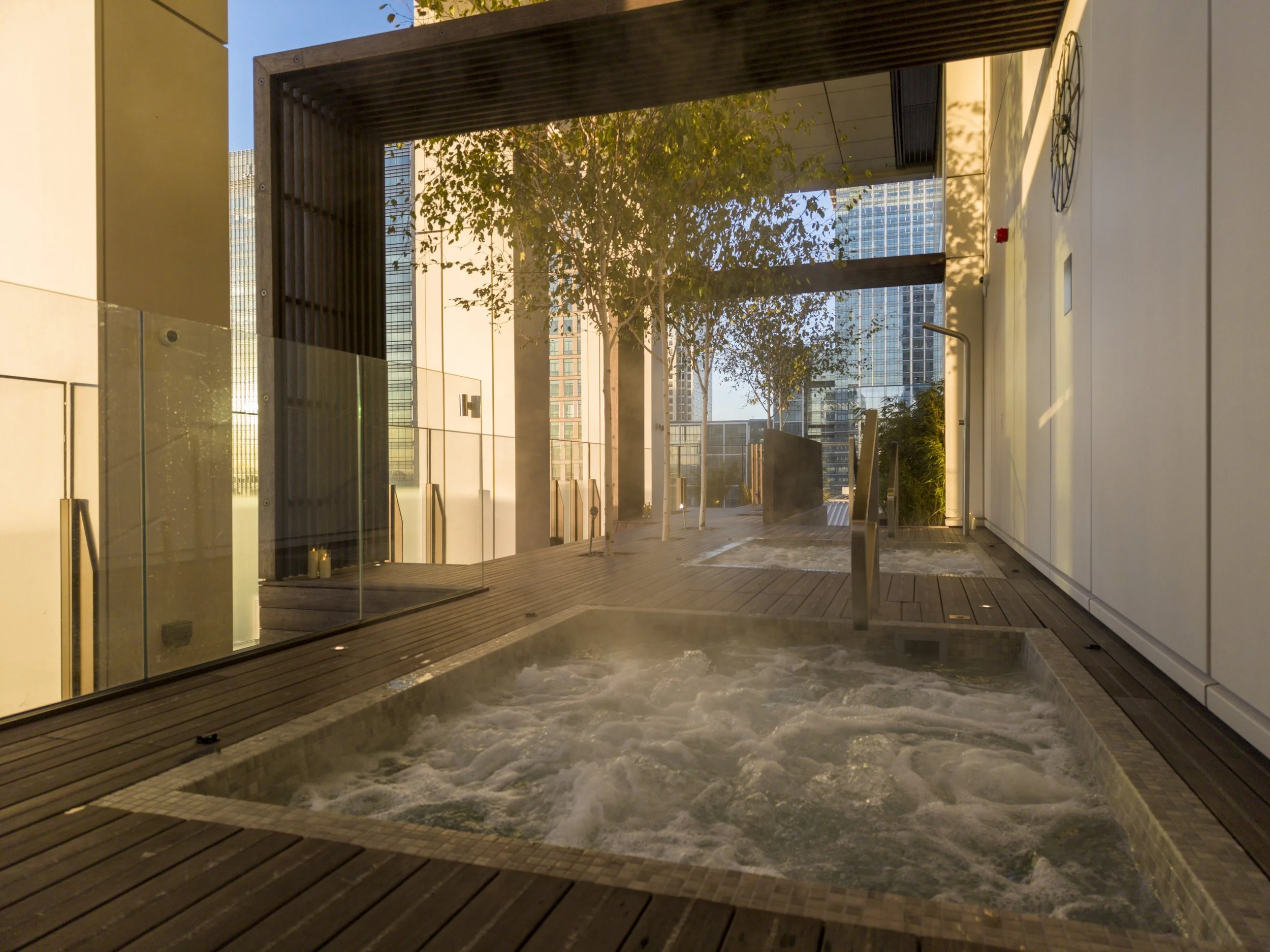
Regular updates, visible on-site management and accessible resident communication channels can help reinforce resident confidence, particularly in developments where premium shared facilities form an important part of the overall residential experience.
Digital tools such as the MySQP resident app, which provides information about the building, resident events and community updates, demonstrate how communication can support the day-to-day management of amenities and keep residents informed about their development.
What to Look For in a Managing Agent for Premium Amenities
A clear planned preventative maintenance schedule for amenities
Documented cleaning standards and regular quality checks
Contractor oversight, with clear response times for faults and repairs
Access control processes and incident reporting
Lifecycle planning and reserve funding to avoid unexpected costs
Clear resident communications for closures, works and disruption
Luxury Amenities Deserve Experienced Management
Having managed developments with luxury amenities at their heart, at POD we understand what it takes to protect these long-term investments and maintain the standards residents expect.
If you're reviewing management for your development, we'd be happy to talk.
Email us at relationships@podmanagement.co.uk
Fill out our business enquiry form
Call us on 0333 577 6656